Thorm Block: Bold Typography for Impactful Design
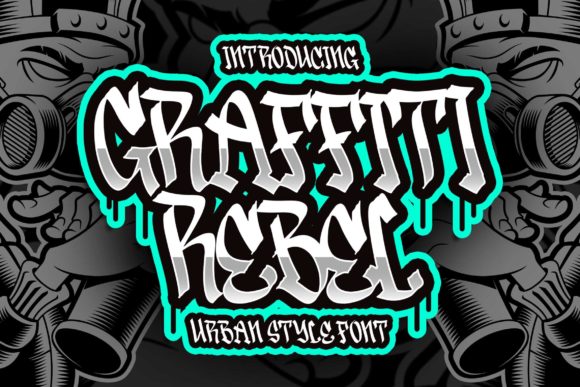
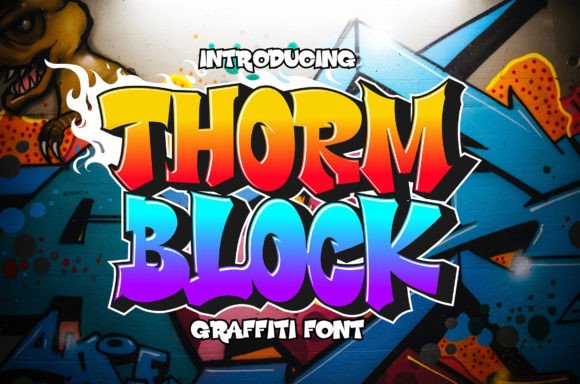
In the crowded landscape of digital and print media, a display font with undeniable presence can be the key to capturing attention. Thorm Block is a spectacular display font with a fatty and cool graffiti style. It will elevate a wide range of design projects to the highest level, be it branding, headings, designs, invitations, signatures, logotypes, streetwear, wall art illustration, apparel, labels, and much more! This typeface is engineered for moments that demand visual punch, making it a valuable creative asset for designers seeking to inject energy and modern aesthetics into their work.
The Role of Bold Typography in Modern Branding
Typography is a cornerstone of visual communication, directly influencing brand identity and user perception. A font like Thorm Block, with its rounded, impactful letterforms and street-inspired flair, communicates confidence, creativity, and a contemporary edge. In graphic design, such bold choices are essential for establishing a strong visual hierarchy, ensuring key messages like headlines, logos, or calls-to-action are impossible to ignore. When used strategically, it helps brands stand out in saturated markets, from social media feeds to physical packaging.
Practical Applications Across Creative Projects
The versatility of a display font like Thorm Block lies in its ability to adapt to various creative projects while maintaining a cohesive aesthetic. Its fatty, graffiti-inspired style isn't limited to one niche; it can enhance numerous applications where a bold statement is required.
- Brand Identity & Logo Design: Create memorable logotypes and wordmarks for brands targeting youthful, urban, or dynamic audiences. Its unique character helps build instant recognition.
- Marketing & Advertising: Use it for impactful headlines in digital marketing campaigns, posters, and social media graphics to drive engagement and convey excitement.
- Product & Packaging Design: Ideal for streetwear labels, beverage branding, or tech accessories where the packaging itself is a key part of the brand experience.
- Editorial & Web Design: Apply it to magazine covers, hero sections of websites, or UI elements like banners to create focal points that guide the user's eye.
- Digital Products & Merchandise: Perfect for designing compelling merchandise, album art, or digital assets where a cool, illustrative quality is desired.
Integrating Thorm Block into Your Design Workflow
Selecting the right typeface is just the first step; effective integration is what elevates a project. When incorporating a high-impact font like Thorm Block, consider its role within the broader visual design system. It pairs well with simpler, neutral sans-serif or serif fonts for body text, creating a balanced composition that doesn't sacrifice readability. Always test the font in context—view it at scale, in different color palettes, and alongside your chosen imagery to ensure it aligns with the project's goals and audience expectations.
For professional presentations or UI design, use such display fonts sparingly. Reserve them for key headings or accent elements to maintain clarity and avoid overwhelming the viewer. This approach strengthens the visual hierarchy, using Thorm Block's bold personality to draw attention where it matters most, while supporting text remains clean and accessible.
Tips for Effective Use and Evaluation
To maximize the impact of any creative asset, evaluate it against your design goals. Ask yourself: Does the font's style match the brand's voice? Will it scale effectively from a mobile screen to a billboard? Is it compatible with your existing color palette and imagery? Thorm Block's strength lies in contexts that value bold expression over subtlety. Its graffiti roots make it a poor fit for formal corporate reports but an excellent choice for music festivals, urban apparel, or innovative startups.
Remember, great design is about thoughtful choices. A spectacular display font is a powerful tool, but its effectiveness depends on how harmoniously it works with other elements—imagery, layout, and messaging. By aligning your typography with your overall creative vision, you ensure that every component works together to create a polished, professional, and engaging result that truly resonates with your audience.